
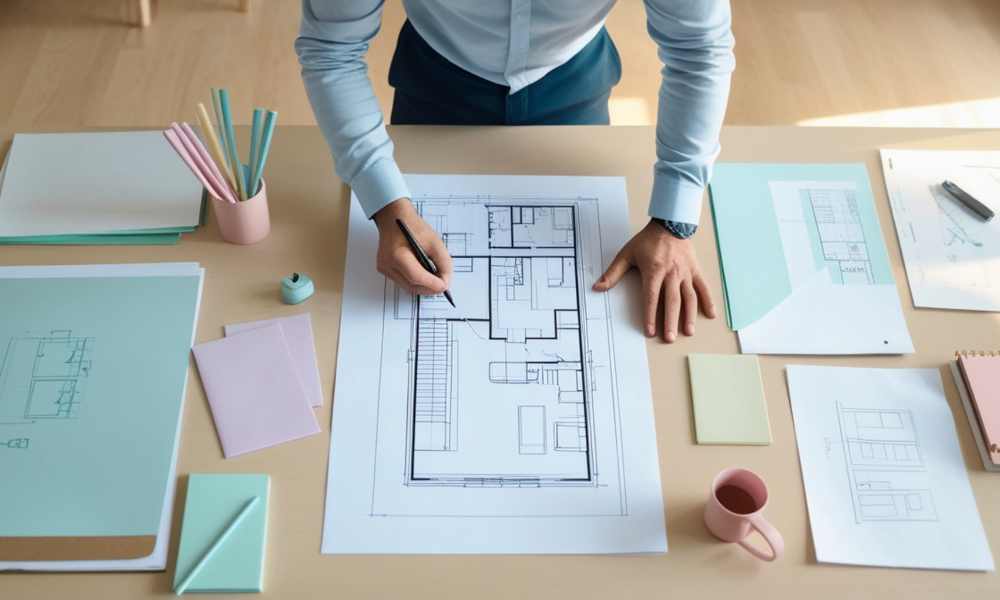
Planning a home makeover is exciting—but let’s be honest, it can also feel overwhelming. From deciding what to renovate to managing budgets, timelines, and styles, one wrong step can lead to stress and unexpected costs. Whether you’re refreshing a single room or redesigning your entire house, a clear plan is the secret to a smooth and successful home transformation.
This step-by-step guide will walk you through everything you need to know to plan your home makeover confidently, efficiently, and creatively. Let’s turn your dream home into a well-executed reality.
Step 1: Define Your Home Makeover Goals
Before picking paint shades or browsing furniture catalogs, take a step back and ask yourself why you want a makeover.
Are you:
- Updating an outdated interior?
- Improving functionality for a growing family?
- Increasing property value?
- Creating a more comfortable or stylish living space?
Clearly defining your goals helps you stay focused and avoid unnecessary expenses. Write down what you want to achieve in each space—better storage, more light, modern aesthetics, or improved layout.
Pro tip: Prioritize needs over wants. This will guide smarter decisions throughout the makeover process.
Step 2: Set a Realistic Budget (and Stick to It)
Budget planning is one of the most critical steps in a home makeover. Decide how much you’re willing to invest and break it down into categories such as:
- Design and consultation fees
- Materials (flooring, paint, furniture, fixtures)
- Labor and installation
- Permits (if required)
- Contingency fund (10–15% for unexpected costs)
Being realistic about your budget helps you avoid overspending and last-minute compromises. Always keep a buffer—home projects often uncover hidden repairs or changes.
Step 3: Analyze Your Existing Space
Take a close look at your current home layout. Identify what works and what doesn’t.
Ask yourself:
- Which rooms feel cramped or underused?
- Where is storage lacking?
- Is the lighting sufficient?
- Are electrical and plumbing points placed efficiently?
Measure your rooms accurately and take photos for reference. This step ensures your makeover plan is practical, not just visually appealing.
Step 4: Choose a Design Style That Fits Your Lifestyle
Your home should reflect your personality and daily habits—not just trends. Whether you love modern minimalism, classic elegance, Scandinavian simplicity, or a cozy contemporary vibe, choose a style that complements your lifestyle.
Consider:
- Color palette preferences
- Furniture styles
- Textures and materials
- Maintenance requirements
Browse design inspiration from magazines, social media, or interior design websites—but avoid copying blindly. Blend inspiration with functionality.
Step 5: Plan Room-by-Room (Not All at Once)
Breaking the makeover into manageable phases makes the process less stressful and more organized.
Living Room
Focus on layout, seating comfort, lighting, and wall treatments.
Kitchen
Prioritize workflow, storage, durability, and easy maintenance.
Bedrooms
Aim for comfort, calming colors, and smart storage solutions.
Bathrooms
Think about waterproofing, ventilation, and modern fittings.
Planning room-by-room helps you allocate budgets better and track progress effectively.
Step 6: Decide What to Keep, Replace, or Upgrade
A home makeover doesn’t always mean replacing everything. Evaluate what can be reused or upgraded:
- Solid wood furniture can be refinished
- Cabinets can be repainted or re-laminated
- Lighting fixtures can be modernized
This approach saves money and adds character to your space while keeping the makeover sustainable.
Step 7: Select the Right Materials and Finishes
Materials define the durability and look of your home. Choose wisely based on usage, climate, and maintenance needs.
Key elements to focus on:
- Flooring (tiles, wood, vinyl, marble)
- Wall finishes (paint, wallpaper, panels)
- Countertops and cabinetry
- Fixtures and fittings
Don’t just rely on appearance—ask about longevity, warranties, and care requirements.
Step 8: Create a Practical Timeline
Every home makeover needs a realistic timeline. Work backwards from your desired completion date and factor in:
- Design finalization
- Material procurement
- Labor availability
- Installation phases
- Drying or curing times
Avoid rushing the process. Quality work takes time, and delays are common—planning ahead helps reduce frustration.
Step 9: Work with the Right Professionals
Hiring experienced professionals can make or break your home makeover. Interior designers, contractors, and project managers bring expertise, efficiency, and problem-solving skills to the table.
Look for professionals who:
- Understand your vision and budget
- Offer transparent pricing
- Have strong reviews or portfolios
- Communicate clearly and regularly
Clear communication ensures expectations are met and mistakes are minimized.
Step 10: Monitor Progress and Be Flexible
Once the makeover begins, stay involved. Visit the site regularly, review progress, and address concerns early.
That said, be open to minor changes. Sometimes adjustments improve the final outcome. Flexibility helps you adapt without derailing the entire project.
Step 11: Add the Final Touches
This is where your home truly comes alive. Styling elements such as:
- Curtains and cushions
- Rugs and artwork
- Indoor plants
- Decorative lighting
These finishing touches personalize your space and tie the entire design together.
Step 12: Inspect, Review, and Enjoy Your New Home
Before signing off, inspect everything carefully:
- Check finishes and fittings
- Ensure functionality of lights, switches, and plumbing
- Review storage and alignment
Once everything is complete, take a moment to enjoy the transformation. A well-planned home makeover not only improves aesthetics but also enhances comfort and everyday living.
A home makeover doesn’t have to be chaotic or stressful. With proper planning, clear goals, and smart decision-making, you can transform your house into a space that truly feels like home. Take it step by step, stay organized, and remember—good design is about balance between beauty and functionality. Your dream home is closer than you think.
FAQs
- How long does a typical home makeover take?
A home makeover can take anywhere from a few weeks to several months, depending on the scope of work, material availability, and customization involved.
- What is the first step in planning a home makeover?
The first step is defining clear goals—understanding what you want to improve, change, or enhance in your home.
- How much budget should I keep as a contingency?
It’s recommended to keep 10–15% of your total budget aside for unexpected expenses during the makeover process.
- Is it better to renovate all rooms at once?
Not always. Planning room-by-room helps manage costs, reduces stress, and allows better control over timelines and quality.
- Do I need an interior designer for a home makeover?
While not mandatory, an interior designer can help optimize space, avoid costly mistakes, and achieve a more cohesive and functional design.
