
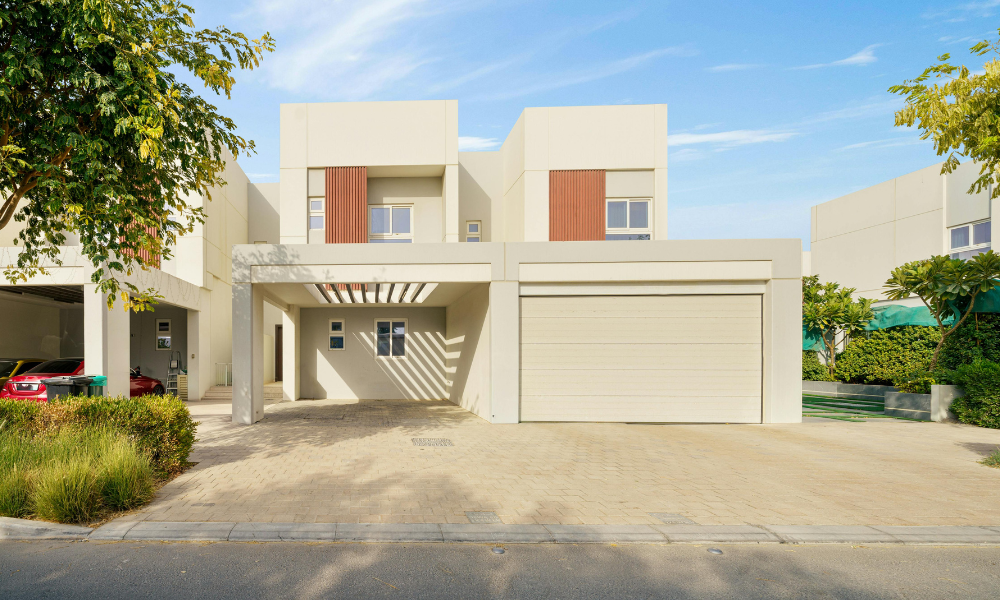
Modern families today are looking for homes that feel open, organized, and comfortable without unnecessary clutter. Minimalist home design has become one of the most preferred interior styles because it combines simplicity, functionality, and elegance in a way that suits everyday living. A minimalist home is not about making a space empty; it is about keeping only what is useful, meaningful, and visually balanced.
Minimalist interiors work especially well for modern families because they support practical living, easy maintenance, and efficient use of available space. Whether the home is a compact apartment or a spacious independent house, minimalist design creates an atmosphere that feels calm, modern, and welcoming.
Why Minimalist Design Works for Family Living
Families often need interiors that are practical enough for daily routines while still maintaining visual appeal. Children, work schedules, storage requirements, and multi-purpose rooms make home planning important.
Minimalist design helps by focusing on:
- Functional furniture
- Open layouts
- Smart storage
- Simple color schemes
- Easy maintenance
Instead of overcrowding a room, minimalist planning allows every area to serve a purpose.
Start with a Neutral Color Palette
One of the strongest features of minimalist design is the use of calm and neutral shades. Light colors help rooms appear larger and brighter.
Popular minimalist colors include:
- White
- Beige
- Light grey
- Soft cream
- Pale wood tones
These colors create a clean background and allow furniture and textures to stand out naturally.
Modern families often prefer neutral walls because they work well with changing furniture, accessories, and seasonal decoration.
Choose Functional Furniture
Minimalist interiors depend heavily on furniture that offers comfort without occupying too much visual space.
Ideal furniture choices include:
- Straight-line sofas
- Compact dining tables
- Storage beds
- Wall-mounted TV units
- Multi-purpose seating
Furniture should serve daily needs without unnecessary decoration.
For family homes, storage furniture becomes especially useful because it reduces clutter while maintaining clean interiors.
Open Layouts Improve Family Interaction
Open layouts are a major part of minimalist home design. Connecting the living room, dining space, and kitchen creates a larger and more interactive family environment.
Benefits of open layouts include:
- Better natural light flow
- Easier communication
- Spacious appearance
- Flexible furniture arrangement
Modern families often prefer open spaces because they support both relaxation and social interaction.
Smart Storage Is Essential
A minimalist home cannot function well without organized storage.
The goal is to hide unnecessary items while keeping daily essentials accessible.
Useful storage ideas include:
- Built-in wardrobes
- Under-bed storage
- Loft cabinets
- Wall shelves
- Hidden drawers
Families with children especially benefit from organized storage because it helps maintain neat spaces.
Minimalist Living Room Ideas
The living room should feel comfortable but not crowded.
A minimalist living room usually includes:
- Simple sofa design
- Neutral curtains
- Limited wall decor
- Functional lighting
- Clean TV unit
Instead of adding too many decorative pieces, focus on a few quality elements that create warmth.
A single artwork, indoor plant, or textured rug often works better than excessive accessories.
Minimalist Kitchen Design for Daily Efficiency
Modern family kitchens require strong functionality. Minimalist kitchen design supports easier movement and cleaner maintenance.
Popular minimalist kitchen features include:
- Handleless cabinets
- Matte finishes
- Straight countertops
- Hidden storage
- Neutral cabinet colors
A clutter-free kitchen also improves cooking comfort.
Appliances can be built into cabinets to maintain a smooth visual appearance.
Bedroom Design for Relaxation
Bedrooms should create calmness and restfulness.
Minimalist bedroom ideas include:
- Soft wall colors
- Simple wardrobes
- Clean bed design
- Limited decor
- Soft lighting
Avoid overcrowding bedrooms with extra furniture.
A wardrobe, bed, side table, and one decorative element are often enough.
Children’s Rooms with Minimal Planning
Minimalist design also works well in children’s rooms when carefully planned.
Useful ideas include:
- Storage-friendly study tables
- Toy drawers
- Soft color walls
- Compact wardrobes
- Multi-use furniture
Children need space to move, study, and play, so keeping furniture practical is important.
Use Natural Light as a Design Element
Natural light is one of the most important parts of minimalist interiors.
Large windows, light curtains, and open layouts improve brightness naturally.
Benefits include:
- Spacious feeling
- Reduced artificial lighting need
- Fresh atmosphere
Bright spaces always look cleaner and more peaceful.
Keep Decoration Meaningful
Minimalism does not mean removing all decoration. It means selecting only what adds value.
Good minimalist decorative choices include:
- One statement painting
- Indoor plants
- Neutral cushions
- Wooden accents
- Simple mirrors
Avoid too many small decorative objects.
Flooring Choices for Minimalist Homes
Flooring strongly affects the minimalist look.
Popular choices include:
- Wooden finish tiles
- Matte vitrified tiles
- Light marble patterns
Uniform flooring across rooms creates visual continuity.
Minimalist Bathrooms for Modern Families
Bathrooms also benefit from simple planning.
Minimalist bathroom features include:
- Floating cabinets
- Wall mirrors
- Neutral tiles
- Hidden storage
A clean bathroom design improves both hygiene and comfort.
Why Minimalism Is Sustainable
Minimalist living often reduces unnecessary purchases.
Families spend more carefully on durable items rather than excessive decoration.
This creates:
- Less waste
- Better maintenance
- Long-term savings
Minimalism supports practical modern living.
Easy Maintenance for Busy Families
One major reason minimalist homes are growing popular is easy maintenance.
Less clutter means:
- Faster cleaning
- Better organization
- Less visual stress
Busy families benefit greatly from interiors that are simple to maintain daily.
Combining Comfort and Elegance
Minimalist interiors should still feel warm.
Use textures like:
- Soft fabrics
- Wooden finishes
- Warm lighting
This prevents the home from feeling too plain.
Minimalist home design gives modern families a practical and beautiful way to live comfortably. It focuses on simplicity, storage, natural light, and purposeful design. A well-planned minimalist home feels peaceful, organized, and timeless.
Instead of filling every corner, modern interior planning values balance and usefulness. For families looking for long-term comfort, minimalist interiors remain one of the most effective design choices today.
FAQ
1. What is minimalist home design?
Minimalist home design focuses on simple layouts, limited furniture, clean lines, and functional interiors.
2. Why is minimalist design suitable for families?
It improves space usage, reduces clutter, and supports easy maintenance.
3. Which colors are best for minimalist interiors?
White, beige, grey, cream, and light wood tones are commonly used.
4. Can minimalist homes still look warm?
Yes, natural textures, soft lighting, and selected decor create warmth.
5. Is minimalist design good for small homes?
Yes, it makes small spaces feel larger and more organized.
