
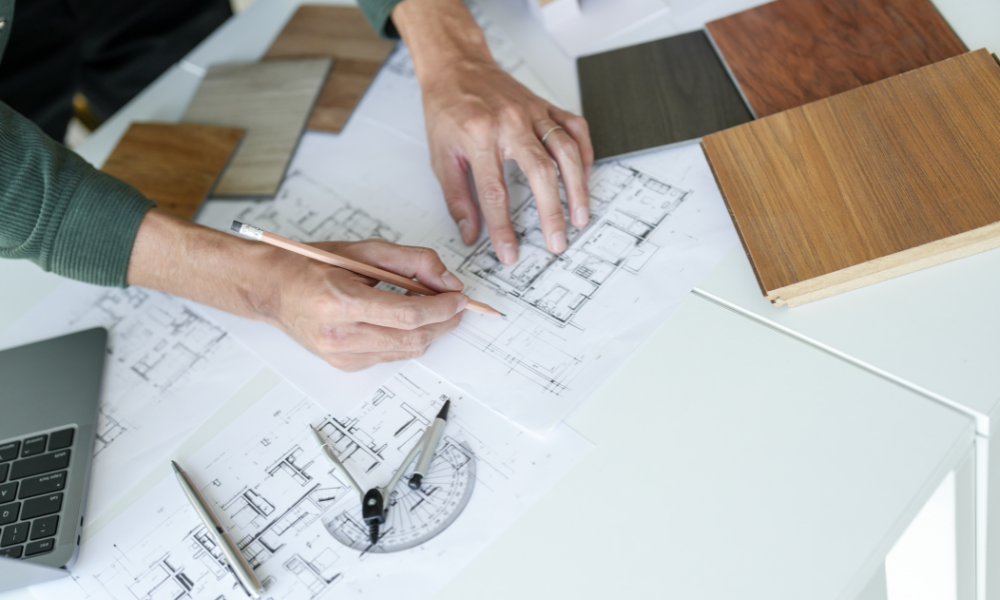
Designing a home from the beginning is an exciting process, but it can also feel overwhelming without a clear plan. Every room in a house serves a different purpose, and creating interiors that are both beautiful and practical requires thoughtful decisions. Whether you are moving into a new home, building your dream house, or renovating an existing property, understanding how to plan your home interiors from scratch helps you avoid costly mistakes and ensures every space reflects your lifestyle.
Home interiors are more than choosing colors and furniture. They involve space planning, functionality, material selection, lighting design, storage solutions, and aesthetic consistency. A well-planned interior creates comfort, improves daily living, and increases property value.
Start with Understanding Your Lifestyle Needs
Before selecting designs or materials, it is important to understand how you use your home every day. Interior planning should match the habits and needs of everyone living in the space.
Ask yourself:
- How many people live in the home?
- Do you need work-from-home space?
- Is extra storage a priority?
- Do you entertain guests often?
- Are children or elderly family members part of the household?
A family with children may need durable materials and more storage, while a working couple may prioritize a home office and modern kitchen functionality.
When interiors are planned according to real lifestyle needs, the home becomes more comfortable and practical.
Define Your Budget Before You Begin
One of the biggest mistakes homeowners make is starting interior work without a realistic budget. Interior planning becomes smoother when financial limits are clearly defined.
A budget should include:
- Civil modifications
- Furniture
- Modular units
- Lighting
- Painting
- Décor accessories
- Electrical adjustments
- Labor charges
It is wise to keep an additional reserve for unexpected expenses because interior projects often involve minor adjustments during execution.
A clear budget helps prioritize essential elements first and prevents overspending.
Measure Every Space Accurately
Interior design begins with correct measurements. Room dimensions determine furniture size, circulation space, and layout possibilities.
Important measurements include:
- Wall length and height
- Door positions
- Window placement
- Ceiling height
- Electrical points
- Plumbing points
Accurate measurements ensure that custom furniture fits properly and rooms remain functional.
Even a beautiful design can fail if space planning is inaccurate.
Decide the Function of Each Room
Each room should have a clear purpose before design begins.
Living Room
The living room should support comfort, conversation, and movement. Plan seating based on family size and guest frequency.
Kitchen
The kitchen should prioritize work efficiency, storage, and easy movement between cooking zones.
Bedrooms
Bedrooms should focus on relaxation, wardrobe storage, and privacy.
Dining Area
The dining space should allow easy movement and comfortable seating.
Study or Work Area
If required, this space must support concentration, lighting, and ergonomics.
When each room has a defined function, interior decisions become easier.
Choose an Interior Style Early
Selecting an interior style early creates consistency throughout the home.
Popular interior styles include:
- Modern
- Minimalist
- Contemporary
- Traditional
- Scandinavian
- Luxury
A modern style focuses on clean lines and simple finishes. Traditional interiors may include rich textures and decorative elements.
Choosing one style does not mean every room must look identical, but there should be visual harmony across spaces.
Plan Furniture Layout Before Buying Anything
Furniture placement is one of the most important steps in interior planning.
Avoid purchasing furniture before finalizing layout because oversized pieces can disrupt movement.
Key Furniture Planning Tips
- Maintain comfortable walking space
- Avoid blocking windows
- Balance furniture proportion with room size
- Use multifunctional furniture in smaller spaces
For example, in compact homes, storage beds and foldable dining tables improve efficiency.
Focus on Storage from the Beginning
Storage is often underestimated during early planning, but it strongly affects long-term comfort.
Plan storage for:
- Clothes
- Kitchen essentials
- Daily accessories
- Cleaning materials
- Books
- Utility items
Smart Storage Ideas
- Floor-to-ceiling wardrobes
- Under-bed storage
- Modular kitchen cabinets
- Wall shelves
- Hidden compartments
A clutter-free home always feels larger and more peaceful.
Prioritize Lighting Design
Lighting changes how interiors look and feel.
A good interior plan includes three layers of lighting:
Ambient Lighting
General lighting for overall brightness.
Task Lighting
Focused lighting for reading, cooking, and work areas.
Accent Lighting
Decorative lighting that highlights design features.
Natural light should also be considered. Window treatments should allow daylight while controlling heat and privacy.
Select Colors Carefully
Colors influence mood, light reflection, and visual spaciousness.
Light Colors for Small Spaces
White, beige, cream, and soft greys make rooms feel larger.
Accent Colors for Character
Accent walls, cushions, artwork, or décor can add personality without overwhelming the space.
It is best to maintain a balanced color palette across the home.
Choose Materials Based on Durability
Interior materials must suit daily use and local climate.
Flooring Materials
Popular options include:
- Vitrified tiles
- Wooden flooring
- Marble
- Granite
Kitchen Materials
Quartz countertops and moisture-resistant finishes are practical choices.
Wardrobe Finishes
Laminates, acrylic, and membrane finishes offer different visual effects and durability levels.
Choosing durable materials reduces maintenance costs over time.
Plan Electrical and Plumbing Early
Electrical and plumbing points should align with furniture and appliance placement.
Important areas include:
- TV unit wiring
- Kitchen appliance points
- Bedside switches
- Workstation plug points
- Bathroom fittings
Late changes in electrical work can increase costs significantly.
Include Ventilation in Your Interior Plan
Good interiors are not only beautiful but breathable.
Cross ventilation improves comfort and indoor air quality.
Plan for:
- Window access
- Exhaust systems
- Ventilated kitchen design
- Balcony airflow
This is especially important in warm climates.
Add Personalization Thoughtfully
A home should reflect your identity.
Personalized elements may include:
- Family photographs
- Art pieces
- Handmade décor
- Cultural details
- Favorite textures
However, avoid overcrowding spaces. Personal touches work best when integrated carefully.
Use Professional Help When Needed
Planning interiors from scratch involves many technical decisions.
Interior professionals help with:
- Space planning
- Material selection
- Cost control
- Design consistency
- Execution supervision
Even if you have your own ideas, expert guidance can improve final results significantly.
Think Long-Term While Designing
Interior choices should remain practical for years.
Avoid following trends blindly if they do not match your lifestyle.
A timeless design usually performs better than temporary fashion.
Planning home interiors from scratch requires patience, clarity, and thoughtful decision-making. From understanding daily needs and setting a budget to selecting layouts, colors, materials, and lighting, every step contributes to a home that feels comfortable and functional.
A well-planned interior does not happen by chance—it is created through careful choices that balance beauty and practicality. When every detail is considered early, the result is a home that truly supports daily life and remains enjoyable for years.
FAQ
1. What is the first step in planning home interiors?
The first step is understanding your lifestyle needs, room usage, and available budget before choosing furniture or design themes.
2. How do I choose the right interior style for my home?
Select a style that matches your daily living needs, personal taste, and long-term comfort, such as modern, minimalist, or traditional.
3. Why is budgeting important in interior planning?
Budgeting helps prioritize essential work, prevents overspending, and allows better control during interior execution.
4. How important is storage in home interior planning?
Storage is essential because it keeps the home organized, reduces clutter, and improves overall functionality.
5. Should lighting be planned before furniture placement?
Yes, lighting should be planned early because electrical points must align with furniture layout and room function.
