
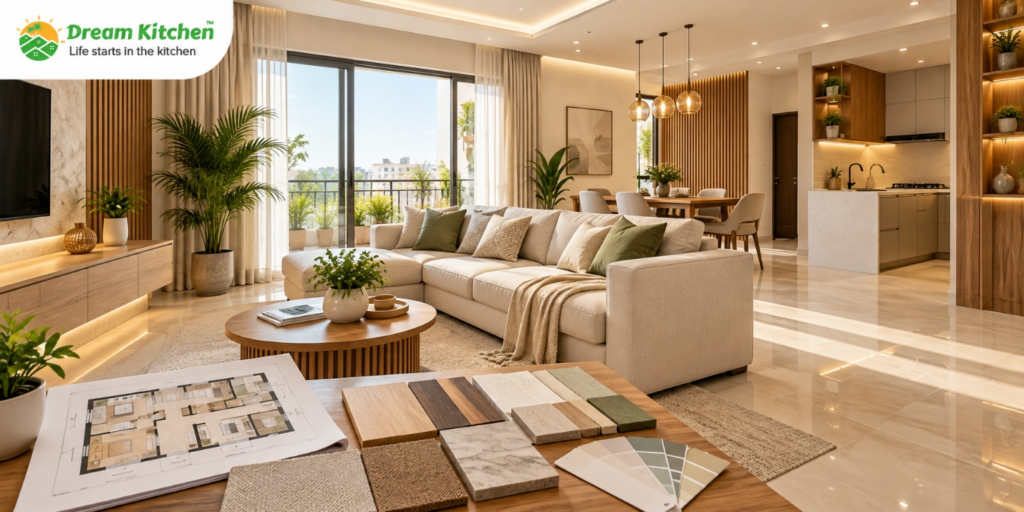
Moving into a new house is an exciting milestone, but planning the interiors can feel overwhelming. From choosing furniture and colours to deciding where electrical points and storage units should go, every detail matters. A little planning before moving in can help you avoid last-minute changes, unnecessary expenses and unfinished work.
Whether you have purchased an apartment or built an independent house, starting your interior planning early makes the entire process easier. If you are considering Home Interior in Chennai, it is helpful to create a clear plan that balances your family’s needs, available space and personal style.
Set a Realistic Interior Design Budget
Before selecting designs or materials, decide how much you can comfortably spend on your interiors. A clear budget helps you prioritise essential work and prevents unnecessary purchases.
Divide your budget into important categories, such as:
- Kitchen cabinets and storage units
- Bedroom wardrobes and beds
- Living room furniture and TV units
- Lighting and electrical fittings
- False ceilings and decorative elements
- Curtains, furnishings and accessories
Keep an additional amount aside for unexpected expenses or last-minute changes. It is also wise to obtain quotations for major work before finalising your interior design plan.
A realistic budget allows you to focus on the features that matter most rather than spending too much on decorative items at the beginning.
Plan the Layout Before Buying Furniture
One common mistake homeowners make is purchasing furniture before understanding how it will fit into the available space. Large sofas, dining tables and beds can make rooms feel crowded if their dimensions are not considered beforehand.
Measure each room carefully and prepare a basic furniture layout. Consider walking space, door openings, window positions and access to balconies.
For example, a compact living room may benefit from a smaller sofa and wall-mounted TV unit, while a spacious bedroom might accommodate a dedicated dressing area.
Good planning is especially important when arranging Home Interior in Chennai apartments, where making efficient use of available space can improve everyday comfort.
Prioritise Kitchen and Wardrobe Storage
Storage should be planned according to your family’s daily routine. A beautiful home can quickly become cluttered when there is insufficient space for clothes, kitchen essentials, cleaning supplies and household items.
For the kitchen, consider drawer organisers, overhead cabinets, pull-out storage and dedicated spaces for appliances. Plan your work surfaces so cooking remains convenient.
For bedrooms, decide how much hanging space, shelving and drawer storage you need. Sliding wardrobes can be useful in rooms where opening a hinged door would restrict movement.
Think about what you own today and what you may need to store in the future. Well-planned storage keeps your home organised without making it look overcrowded.
Choose Colours and Materials Carefully
Your choice of colours and materials influences the overall appearance and maintenance of your home. Neutral shades such as white, beige and light grey can create an open, timeless look. Wooden finishes add warmth, while selected accent colours bring personality to a room.
When selecting materials, consider durability, cleaning requirements and how frequently each surface will be used.
For example, kitchen countertops need to withstand regular use, while wardrobe finishes should be easy to maintain. Ask for material samples and compare them under natural and artificial lighting before making a final decision.
A consistent colour palette across adjoining rooms can also create a more coordinated appearance.
Finalise Electrical Points and Lighting
Electrical planning should be completed before major interior work begins. Moving switches, sockets or wiring after furniture and cabinets have been installed can be inconvenient and costly.
Identify where you will place televisions, refrigerators, washing machines, computers and other appliances. Ensure suitable electrical points are available in those locations.
Plan different types of lighting for different activities:
- General lighting: Provides overall illumination throughout the room.
- Task lighting: Supports activities such as cooking, reading and working.
- Accent lighting: Highlights decorative features, artwork or display shelves.
Avoid relying on a single bright ceiling light for every room. A combination of lighting types can make your home more comfortable and visually appealing.
Design Each Room Around Your Lifestyle
Your home should reflect how your family actually lives rather than simply copying a design seen online.
If you frequently entertain guests, prioritise comfortable living room seating. If you work from home, create a dedicated workspace with sufficient lighting and accessible power points. Families with children may benefit from easy-to-clean surfaces and practical storage.
When planning Home Interior in Chennai, consider local weather conditions as well. Good ventilation, suitable window coverings and materials that are practical for everyday maintenance can improve comfort throughout the year.
The best design is one that combines attractive finishes with features that make daily routines easier.
Choose the Right Interior Design Team
Working with an experienced interior design team can help coordinate measurements, material selection, furniture layouts and installation schedules.
Before finalising a designer, review their previous projects, discuss your requirements and request a detailed quotation. Make sure the scope of work, materials, expected completion dates and payment schedule are clearly documented.
Dream Kitchen Interior can be considered when exploring interior design ideas and solutions for your home. Compare your options carefully and choose a team that understands your preferences, budget and functional needs.
Clear communication from the beginning helps minimise confusion and makes it easier to track progress.
Complete Essential Work Before Moving In
Whenever possible, finish dusty or disruptive work before shifting your belongings into the house. This includes drilling, electrical modifications, painting, cabinet installation and major carpentry.
Before moving in, check that:
- Kitchen cabinets and wardrobes open and close properly.
- Electrical switches and lighting work as expected.
- Plumbing fixtures are functioning without leaks.
- Drawers, hinges and handles are securely installed.
- Surfaces have been cleaned after installation.
- Any outstanding issues have been documented for correction.
Keep essential items accessible for the first few days rather than unpacking everything immediately. This gives you time to understand how you use each room and make small adjustments where necessary.
Frequently Asked Questions
1.When should I start planning my home interiors?
Start planning as soon as your house layout is finalised. Early planning allows you to coordinate electrical points, storage, furniture sizes and materials before installation begins.
2.What should I prioritise when planning a new home?
Focus first on essential requirements such as kitchen functionality, wardrobes, electrical points, lighting, ventilation and storage. Decorative elements can be added once the main work is completed.
3.How can I make a small home look spacious?
Use appropriately sized furniture, lighter colours, well-planned lighting and practical storage solutions. Keeping walkways clear and avoiding excessive decorative items can also make rooms feel more open.
4.Should I buy furniture before completing the interiors?
It is better to finalise the layout and take accurate measurements first. This helps ensure that furniture fits properly and works with the planned cabinets, doors and electrical points.
5.How do I choose the right interior designer in Chennai?
Review previous projects, compare quotations, understand the materials included and confirm the scope of work. Choose a designer who communicates clearly and can plan around your family’s needs and budget.
