
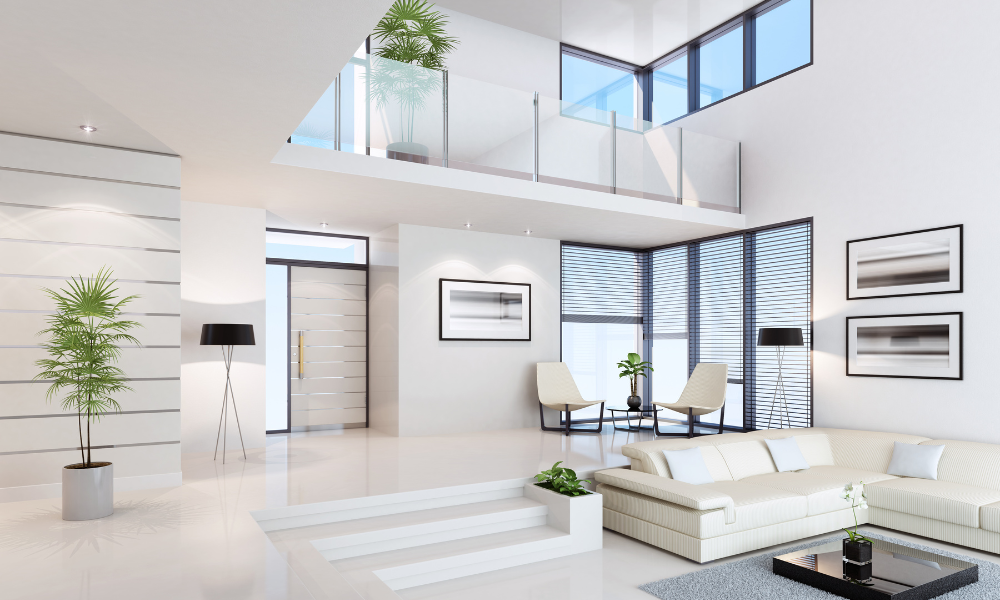
Living in a small home doesn’t mean you have to compromise on comfort, functionality, or style. In fact, limited space often inspires the most creative and efficient design solutions. With the right approach, even the smallest home can feel spacious, organized, and visually appealing. The key lies in smart planning, multi-functional elements, and thoughtful design choices.
If you’re struggling with limited square footage, these space-saving design ideas will help you transform your home into a practical and stylish living space.
Understanding the Importance of Space Optimization
Small homes require a different mindset when it comes to design. Every inch matters and each piece of furniture or decoration should serve a purpose. Instead of filling your home with bulky items, focus on maximizing usability while maintaining a clean and open look.
Space optimization not only improves functionality but also enhances comfort and reduces clutter. A well-organized small home can feel more inviting and relaxing than a poorly designed large space.
Multi-Functional Furniture: The Ultimate Game-Changer
One of the best ways to save space is by investing in multi-functional furniture. These pieces are designed to serve more than one purpose, helping you make the most of limited space.
Examples include:
- Sofa beds for living rooms
- Storage beds with drawers
- Foldable dining tables
- Ottomans with hidden storage
These solutions allow you to maintain functionality without overcrowding your home.
Vertical Space Utilization
When floor space is limited, think vertically. Walls are often underutilized, but they offer excellent opportunities for storage and design.
Ideas to use vertical space:
- Install wall-mounted shelves
- Use tall cabinets instead of wide ones
- Hang hooks for bags, coats, or kitchen utensils
- Add floating desks or wall-mounted workstations
Vertical storage keeps your floor clear and creates a more spacious feel.
Smart Storage Solutions
Storage is one of the biggest challenges in small homes. Without proper storage, clutter can quickly take over.
Effective storage ideas:
- Use under-bed storage boxes
- Install built-in wardrobes
- Utilize corners with corner shelves
- Add storage benches in entryways
The goal is to create hidden storage spaces that keep your home organized without affecting aesthetics.
Open Layouts for Better Flow
Walls can make a small home feel even smaller. Open layouts create a sense of continuity and make spaces appear larger.
Consider:
- Combining living and dining areas
- Using furniture to define spaces instead of walls
- Opting for open kitchen designs
An open layout improves natural light flow and makes your home feel airy.
Light Colors and Reflective Surfaces
Color plays a significant role in how spacious a room feels. Light colors reflect more light, making spaces appear bigger.
Best practices:
- Use whites, pastels, and neutral tones
- Add mirrors to reflect light and create depth
- Choose glossy or reflective finishes for furniture
These simple changes can visually expand your home.
Foldable and Expandable Designs
Foldable furniture is perfect for small homes. It allows you to use space only when needed.
Examples:
- Wall-mounted foldable tables
- Foldable chairs
- Murphy beds (wall beds)
- Expandable dining tables
These designs are especially useful in studio apartments or compact homes.
Sliding Doors Instead of Hinged Doors
Traditional doors take up space when opened. Sliding doors are a smart alternative that saves space and adds a modern touch.
You can use sliding doors for:
- Bedrooms
- Bathrooms
- Wardrobes
- Kitchen partitions
They improve accessibility and free up valuable floor space.
Minimalist Design Approach
Minimalism is not just a trend—it’s a practical solution for small homes. Keeping only essential items reduces clutter and creates a clean, open environment.
Tips for a minimalist approach:
- Avoid excessive decorations
- Choose simple furniture designs
- Keep surfaces clutter-free
- Focus on quality over quantity
A minimalist home feels more spacious and calming.
Smart Lighting Techniques
Lighting can dramatically impact how a space looks and feels. Proper lighting makes small rooms appear larger and more inviting.
Lighting ideas:
- Use layered lighting (ambient, task, accent)
- Install wall-mounted lights to save space
- Use LED strips under cabinets
- Maximize natural light with sheer curtains
Good lighting enhances both functionality and aesthetics.
Using Mirrors to Create Illusion of Space
Mirrors are one of the simplest yet most effective tools for small homes. They reflect light and create the illusion of depth.
Where to place mirrors:
- Opposite windows
- In narrow hallways
- Behind furniture
Large mirrors can make a room feel almost twice its size.
Customized Built-In Furniture
Custom furniture is a great investment for small homes. Built-in units are designed to fit perfectly into your space, maximizing efficiency.
Examples:
- Built-in wardrobes
- Wall-mounted TV units
- Custom kitchen cabinets
- Study desks integrated into walls
These solutions ensure no space is wasted.
Decluttering: The Most Important Step
No matter how well-designed your home is, clutter can make it feel cramped. Regular decluttering is essential.
Tips:
- Get rid of unused items
- Organize belongings regularly
- Use storage boxes and organizers
- Follow the “less is more” principle
A clutter-free home always feels more spacious.
Creating Zones in Small Spaces
Even in small homes, it’s important to define different areas for living, working, and relaxing.
Ways to create zones:
- Use rugs to define spaces
- Arrange furniture strategically
- Use curtains or partitions
- Add shelves as dividers
This helps maintain functionality without adding walls.
Designing a small home is all about creativity and smart planning. With the right space-saving ideas, you can transform even the most compact space into a comfortable and stylish living environment.
From multi-functional furniture to vertical storage and minimalist design, every choice you make should contribute to maximizing space and enhancing usability. Small homes may have limited space, but with thoughtful design, they can offer unlimited comfort and beauty.
FAQs
1. What is the best way to save space in a small home?
The best way is to use multi-functional furniture, vertical storage, and declutter regularly to maximize available space.
2. How can I make my small home look bigger?
Use light colors, mirrors, and proper lighting. Open layouts and minimal furniture also help create a spacious feel.
3. What furniture is best for small homes?
Furniture that serves multiple purposes, such as sofa beds, storage beds, and foldable tables, works best for small spaces.
4. Are open layouts good for small homes?
Yes, open layouts eliminate unnecessary walls, improve light flow, and make spaces appear larger and more connected.
5. How do I create storage in a small home?
Use under-bed storage, wall-mounted shelves, built-in cabinets, and hidden storage options to keep your home organized.
