
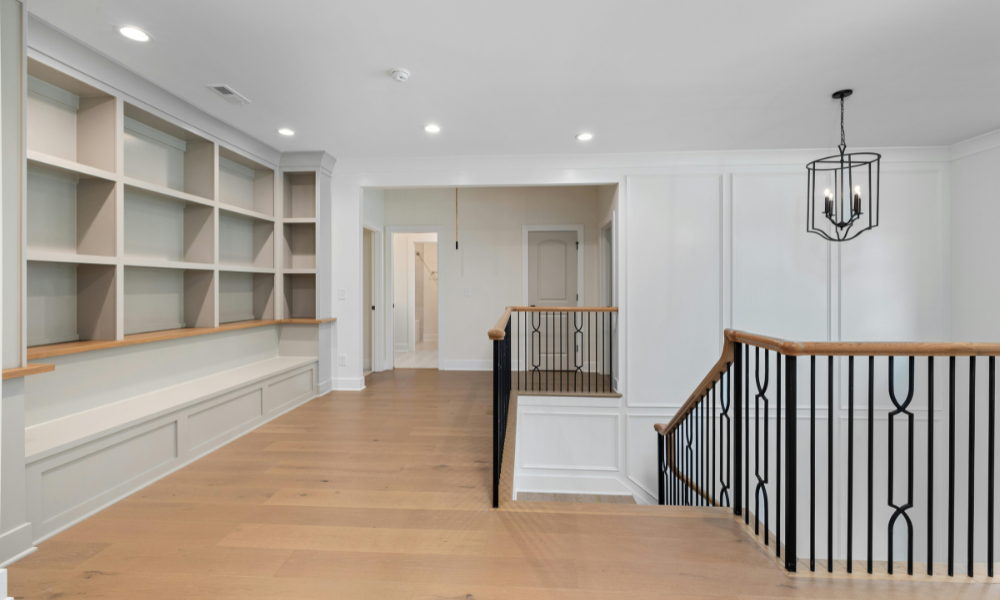
When designing or renovating a home, most people focus on layouts, color palettes, and décor. While these elements are undeniably important, one critical factor often determines the long-term success of any home design project: the quality of materials used. From flooring and countertops to structural components and finishes, the materials you choose influence not just how your home looks, but how it feels, functions, and lasts over time. In this blog, we’ll explore why quality materials matter so much in home design and how they can dramatically transform both aesthetics and performance.
1. Durability That Stands the Test of Time
One of the most obvious benefits of high-quality materials is durability. Cheaper alternatives may look appealing initially due to lower costs, but they often wear out quickly, leading to frequent repairs or replacements.
For example:
- Solid hardwood flooring lasts decades, while low-grade laminate may need replacing in a few years.
- Natural stone countertops resist heat and scratches better than low-quality composites.
- High-grade paints maintain their finish longer and resist peeling or fading.
Investing in quality materials means your home will age gracefully rather than deteriorate prematurely. Over time, this translates into lower maintenance costs and fewer headaches.
2. Enhanced Aesthetic Appeal
Quality materials bring a level of sophistication and authenticity that is hard to replicate with cheaper substitutes. They often have richer textures, deeper colors, and more natural variations that elevate the overall look of a space.
Consider the difference between:
- Real wood versus engineered wood
- Marble versus synthetic stone
- Handcrafted tiles versus mass-produced alternatives
These differences may seem subtle at first glance, but they significantly impact how a space feels. High-quality materials create a sense of luxury and refinement, even in minimalist designs.
3. Better Functionality and Performance
Good design is not just about appearance—it’s about how a space works. High-quality materials enhance usability and comfort in everyday life.
Examples include:
- Insulated windows that improve energy efficiency
- Moisture-resistant materials in kitchens and bathrooms
- Durable fabrics that withstand wear and tear in high-traffic areas
When materials perform well, your home becomes more comfortable, practical, and enjoyable to live in.
4. Increased Property Value
Homes built or renovated with premium materials tend to have higher market value. Buyers are often willing to pay more for properties that demonstrate quality craftsmanship and long-lasting materials.
Features that boost value include:
- Granite or quartz countertops
- Solid wood cabinetry
- High-end flooring
- Premium fixtures and fittings
These elements signal to potential buyers that the home has been thoughtfully designed and well-maintained.
5. Sustainability and Environmental Impact
Quality materials are often more sustainable. While they may require a higher initial investment, they typically last longer and reduce the need for replacements, minimizing waste.
Additionally, many premium materials are:
- Responsibly sourced
- Recyclable or biodegradable
- Manufactured with eco-friendly processes
Choosing sustainable materials not only benefits the environment but also contributes to healthier indoor air quality and overall well-being.
6. Improved Safety and Structural Integrity
The structural integrity of your home depends heavily on the materials used during construction. High-quality materials provide better strength, resistance, and safety.
For instance:
- Stronger concrete and steel ensure a stable foundation
- Fire-resistant materials enhance safety
- Non-toxic finishes reduce health risks
Compromising on material quality in structural elements can lead to serious issues over time, including cracks, leaks, or even safety hazards.
7. Long-Term Cost Efficiency
While high-quality materials come with a higher upfront cost, they are often more economical in the long run. Frequent repairs, replacements, and maintenance associated with low-quality materials can quickly add up.
Think of it this way:
- A cheap fixture replaced three times may cost more than one premium fixture that lasts years
- Low-quality paint may require repainting every 2–3 years, while premium paint lasts much longer
Investing wisely at the beginning helps avoid unnecessary expenses later.
8. Comfort and Living Experience
Your home should be a place of comfort, and materials play a key role in achieving that. From the softness of flooring under your feet to the thermal insulation of walls, material choices directly affect how your home feels.
High-quality materials contribute to:
- Better temperature regulation
- Noise reduction
- Improved indoor air quality
- Overall comfort and relaxation
These factors significantly enhance daily living experiences, making your home more enjoyable.
9. Customization and Design Flexibility
Premium materials often offer greater flexibility in design. They can be customized, shaped, and finished in ways that cheaper materials cannot.
For example:
- Natural stone can be cut into unique patterns
- High-quality wood can be stained in various tones
- Custom metalwork allows for intricate detailing
This flexibility allows homeowners and designers to bring creative visions to life without compromise.
10. A Reflection of Personal Style
Your choice of materials reflects your personality and taste. High-quality materials allow you to express your style more effectively, whether you prefer modern minimalism, rustic charm, or classic elegance.
When every element—from flooring to fixtures—is carefully chosen, your home becomes a true reflection of who you are.
Quality materials are the foundation of great home design. They influence not just how a home looks, but how it performs, feels, and endures over time. While it may be tempting to cut costs by opting for cheaper alternatives, the long-term benefits of investing in high-quality materials far outweigh the initial expense.
Whether you’re building a new home or renovating an existing one, prioritize materials that offer durability, functionality, and timeless appeal. In doing so, you’ll create a space that is not only beautiful but also built to last.
Frequently Asked Questions
1. Why are quality materials important in home design?
Quality materials ensure durability, better performance, enhanced aesthetics, and long-term cost savings, making them essential for a successful home design.
2. Do high-quality materials always cost more?
Yes, they usually have a higher upfront cost, but they save money over time by reducing maintenance, repairs, and replacements.
3. Which areas of a home should prioritize quality materials?
Focus on structural components, flooring, kitchens, bathrooms, and high-traffic areas where durability and performance matter most.
4. Are sustainable materials considered high-quality?
Often yes. Many sustainable materials are designed to last longer and have minimal environmental impact, making them both high-quality and eco-friendly.
5. Can quality materials increase property resale value?
Absolutely. Homes with premium materials and finishes attract more buyers and often sell at higher prices.
