
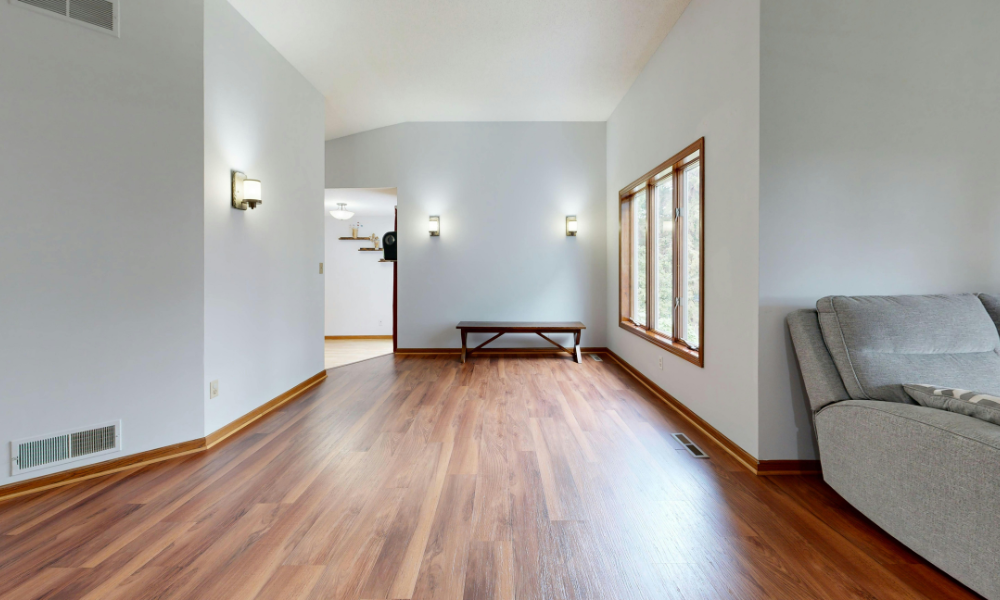
Living in a bustling city has its perks—easy access to work, entertainment, and modern conveniences. However, one of the biggest challenges urban residents face is noise pollution. From traffic and construction sounds to crowded neighborhoods, constant noise can affect your comfort, productivity, and even mental well-being.
The good news is that with the right approach to interior design and planning, you can transform your home into a peaceful retreat—no matter how noisy your surroundings are. Designing a calm and quiet space isn’t just about blocking sound; it’s about creating an environment that promotes relaxation, balance, and tranquility.
In this blog, we’ll explore practical and effective ways to design a peaceful home in a noisy city.
1. Start with Soundproofing Basics
The first step in creating a peaceful home is minimizing external noise. While complete soundproofing may not always be possible, you can significantly reduce noise levels with smart techniques.
Key Soundproofing Tips:
- Install double-glazed windows to reduce outside noise
- Use weather stripping to seal gaps around doors and windows
- Add thick curtains or blackout drapes
- Use door sweeps to block sound leakage
Walls and ceilings can also be treated with acoustic panels or sound-absorbing materials to further reduce noise intrusion.
2. Choose the Right Materials
Materials play a major role in controlling sound and enhancing comfort.
Best Materials for a Peaceful Home:
- Wood: Absorbs sound and adds warmth
- Carpets and rugs: Reduce echo and noise reflection
- Fabric upholstery: Softer surfaces help dampen sound
- Acoustic panels: Ideal for walls and ceilings
Avoid too many hard surfaces like glass, marble, or metal, as they tend to reflect sound and increase noise levels.
3. Create a Calm Color Palette
Colors have a powerful impact on your mood. A peaceful home should include calming tones that help you relax after a long day.
Recommended Colors:
- Soft whites and creams
- Pastel blues and greens
- Warm neutrals like beige and taupe
Avoid overly bright or bold colors in large areas, as they can feel overwhelming and disrupt the calm atmosphere.
4. Optimize Layout for Quiet Zones
Design your home layout strategically to create quiet zones away from noise sources.
Tips:
- Place bedrooms away from the street side
- Use wardrobes or bookshelves as sound buffers
- Designate a relaxation corner or meditation space
- Keep workspaces in quieter areas
Smart space planning can significantly improve how sound travels within your home.
5. Bring Nature Indoors
Nature has a calming effect that helps counteract the stress of city life.
Ways to Add Natural Elements:
- Indoor plants like snake plants or peace lilies
- Natural materials like wood and stone
- Water features or small indoor fountains
- Nature-inspired decor
Plants not only improve air quality but also help absorb sound and create a comforting environment.
6. Use Soft Furnishings Generously
Soft furnishings are essential for both comfort and noise reduction.
Include:
- Cushions and throws
- Upholstered furniture
- Thick rugs and carpets
- Fabric wall hangings
These elements absorb sound waves and reduce echo, making your home feel quieter and more comfortable.
7. Invest in Quality Doors and Windows
Doors and windows are the main entry points for noise.
Upgrade Options:
- Solid core doors instead of hollow ones
- Soundproof window panels
- Heavy curtains or layered window treatments
Even small upgrades in these areas can make a noticeable difference in reducing noise.
8. Incorporate Ambient Lighting
Lighting plays a crucial role in creating a peaceful atmosphere.
Best Lighting Choices:
- Warm LED lights
- Floor and table lamps
- Dimmable lighting options
- Soft, indirect lighting
Avoid harsh, bright lights as they can create a stressful environment. Soft lighting enhances relaxation and comfort.
9. Create a Dedicated Relaxation Space
Having a designated area for relaxation can help you mentally disconnect from the outside noise.
Ideas:
- A reading nook with comfortable seating
- A meditation or yoga corner
- A balcony garden setup
- A cozy window seat
This space should be clutter-free and designed with calming elements.
10. Declutter and Simplify
Clutter can make your home feel chaotic and stressful, even without noise.
Tips for Minimalism:
- Keep only essential items
- Use smart storage solutions
- Maintain clean and organized spaces
- Avoid overcrowding rooms
A minimalist approach helps create a sense of calm and order.
11. Use White Noise or Sound Masking
Sometimes, completely eliminating noise isn’t possible. In such cases, sound masking can help.
Options:
- White noise machines
- Soft background music
- Nature sounds like rain or waves
These sounds can mask unwanted noise and create a more peaceful environment.
12. Add Personal Comfort Elements
Your home should reflect what makes you feel relaxed and happy.
Personal Touches:
- Family photos
- Artwork you love
- Scented candles or diffusers
- Comfortable furniture
These elements enhance emotional comfort and make your home truly yours.
Designing a peaceful home in a noisy city may seem challenging, but it’s absolutely achievable with the right strategies. By combining soundproofing techniques, thoughtful interior design, and calming elements, you can create a sanctuary that protects you from the chaos outside.
A peaceful home is not just about silence—it’s about creating a space where you can relax, recharge, and feel at ease. Whether you live in a busy urban neighborhood or near a crowded street, these design tips will help you transform your home into a calm and comfortable retreat.
FAQ
1. How can I reduce noise in my home naturally?
You can use thick curtains, rugs, soft furnishings, and indoor plants to absorb sound naturally.
2. What is the best way to soundproof a home?
Installing double-glazed windows, sealing gaps, and using acoustic panels are effective soundproofing methods.
3. Which materials help reduce noise in interiors?
Wood, fabric, carpets, and acoustic panels are excellent for noise reduction.
4. Can interior design really make a home quieter?
Yes, proper layout, materials, and furnishings can significantly reduce noise levels.
5. What colors create a peaceful home environment?
Soft neutrals, pastel blues, greens, and earthy tones help create a calming atmosphere.
