
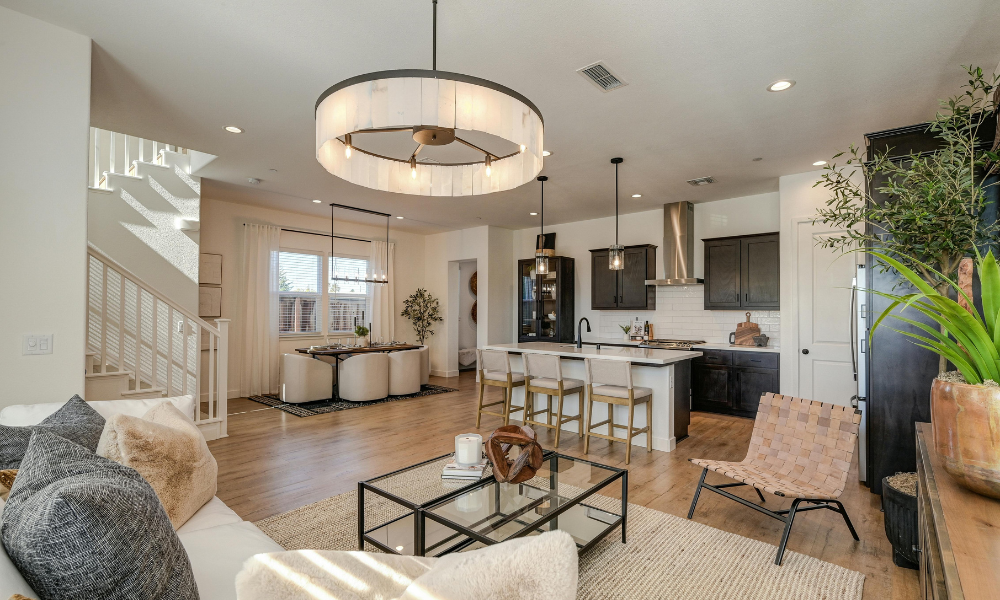
Designing a home is one of the most meaningful investments a person makes because a home is not only a place to live but also a space that reflects lifestyle, comfort, and long-term personal needs. Many homeowners initially believe that home design is simply about choosing furniture, selecting paint colors, or arranging décor items. In reality, professional home design goes far beyond surface appearance. It is a structured process that combines planning, functionality, aesthetics, and technical understanding to create spaces that work beautifully every day.
Professional home design has become increasingly important because modern homes must serve many purposes at once. A living room may function as a family gathering area, a workspace, and a guest zone. Bedrooms need storage, privacy, and comfort. Kitchens must support daily routines while remaining efficient and easy to maintain. Without proper planning, these needs often lead to cluttered spaces, poor movement, and costly adjustments later.
Investing in professional design may seem like an additional expense at first, but over time it often saves money, improves property value, and creates a better living experience.
A Well-Planned Home Uses Space More Efficiently
One of the biggest advantages of professional home design is efficient space planning. Every home has limitations, whether it is a compact apartment, an independent house, or a villa. The challenge is to make each room feel open, functional, and comfortable without wasting available space.
Professional designers understand how to:
- Position furniture for easy movement
- Use corners effectively
- Add storage without overcrowding
- Improve room balance
- Create visual openness
For example, a small bedroom can feel significantly larger when wardrobes are designed vertically and furniture placement is carefully planned. Similarly, a compact living room can feel spacious when seating, storage, and lighting are arranged correctly.
Avoiding Expensive Design Mistakes
Many homeowners begin home design without expert guidance and later discover problems such as poor furniture sizing, incorrect lighting placement, or insufficient storage. These mistakes often lead to extra expenses because corrections involve replacing materials, shifting installations, or redesigning layouts.
Professional design helps prevent issues such as:
- Incorrect measurements
- Poor material choices
- Lighting errors
- Furniture mismatch
- Limited storage planning
A designer considers all these details before work begins, reducing costly changes later.
Better Material Selection for Long-Term Durability
Not all materials perform equally over time. Some finishes may look attractive initially but wear out quickly under regular use. Professional designers understand which materials suit specific areas of the home.
For example:
- Kitchens require moisture-resistant materials
- Bedroom wardrobes need durable shutters
- Living rooms need surfaces that are easy to maintain
Good material selection improves:
- Durability
- Cleaning convenience
- Long-term appearance
- Maintenance cost control
Choosing quality materials from the beginning often prevents repeated repairs.
Home Design Improves Daily Comfort
A professionally designed home feels more comfortable because every element is planned around actual daily use.
This includes:
- Easy movement between rooms
- Convenient storage access
- Comfortable furniture placement
- Balanced lighting
For example, kitchen layouts are designed around movement between cooking zones. Bedrooms are planned for easy access to wardrobes and side storage. Living rooms are arranged to support both relaxation and social interaction.
These details may seem small individually, but together they strongly affect everyday comfort.
Lighting Makes a Major Difference
Lighting is often underestimated in home design, yet it has a major impact on how a home feels.
Professional designers carefully plan:
- Natural light usage
- Artificial lighting layers
- Accent lighting
- Functional lighting
A room with good lighting feels larger, warmer, and more inviting. Poor lighting can make even expensive interiors feel dull.
Layered lighting usually includes:
- General lighting
- Task lighting
- Decorative lighting
This balance improves both function and atmosphere.
Storage Planning Creates Organized Living
One of the biggest challenges in modern homes is storage. Without proper planning, even beautiful interiors become cluttered quickly.
Professional home design includes storage ideas such as:
- Loft cabinets
- Under-bed storage
- Wall-mounted shelves
- Hidden compartments
- Multi-purpose furniture
This helps maintain a clean and organized home without sacrificing design quality.
Home Design Reflects Personal Lifestyle
Every family uses a home differently. A family with children, a working couple, and elderly residents all have different needs.
Professional designers consider:
- Family routines
- Lifestyle habits
- Storage priorities
- Comfort preferences
This creates interiors that feel personal rather than generic.
For example:
- A work-from-home family may need integrated study corners
- Frequent entertainers may prefer open living layouts
- Families needing extra storage may prioritize vertical solutions
Increases Property Value
Professionally designed homes often have stronger resale appeal. Buyers notice thoughtful interiors because they immediately see comfort, quality, and practicality.
Well-designed interiors improve:
- Visual appeal
- Functional value
- Market attractiveness
A home with organized storage, quality finishes, and balanced lighting often attracts stronger buyer interest than one with unfinished or poorly planned interiors.
Professional Designers Save Time
Managing home design independently requires dealing with multiple decisions, suppliers, and technical details.
A professional designer helps coordinate:
- Layout planning
- Material selection
- Vendor communication
- Execution sequence
This saves significant time and reduces stress for homeowners.
Instead of managing every small decision alone, homeowners benefit from guided planning.
Modern Homes Need Flexible Design
Today’s homes often need to adapt over time. Children grow, work needs change, and family requirements evolve.
Professional design allows flexibility by including:
- Multi-use furniture
- Adaptable storage
- Flexible room planning
This makes the home practical for many years.
A Balanced Home Feels Better Emotionally
A home influences mood more than many people realize. Balanced interiors create calmness and comfort.
Good design improves:
- Visual harmony
- Cleanliness
- Mental comfort
A clutter-free, well-lit, thoughtfully designed room often feels more peaceful and welcoming.
Customization Creates Long-Term Satisfaction
Ready-made furniture and standard layouts do not always match exact home dimensions.
Professional design allows customization in:
- Wardrobes
- Kitchens
- Storage units
- TV walls
- Workspaces
This ensures that every inch of space is used properly.
Sustainable Design Choices Matter
Many professional designers now focus on sustainability.
This includes:
- Durable materials
- Energy-efficient lighting
- Low-maintenance finishes
Sustainable choices often reduce long-term running costs.
Why Home Design Is an Investment, Not an Expense
Many people hesitate because design appears costly initially. However, good design prevents waste, improves daily life, and reduces future correction costs.
It adds value through:
- Better durability
- Efficient space use
- Improved comfort
- Strong resale appeal
This makes professional home design a long-term investment rather than a short-term expense.
Professional home design creates a home that functions beautifully, feels comfortable, and remains valuable over time. It combines technical planning, aesthetic balance, and practical solutions that homeowners often cannot achieve through trial and error alone.
A professionally designed home supports daily living, reduces stress, and improves the way every room is experienced. Whether building a new home or renovating an existing one, investing in thoughtful design often becomes one of the most rewarding decisions a homeowner can make.
FAQ
1. Why should I hire a professional for home design?
A professional helps plan space, storage, materials, and lighting efficiently while avoiding costly mistakes.
2. Does professional home design increase property value?
Yes, well-designed interiors often improve resale appeal and attract stronger buyer interest.
3. Can professional design work for small homes?
Yes, professional planning is especially useful in small homes because space must be used carefully.
4. Is professional home design expensive?
It depends on project scope, but good design often saves money by preventing mistakes and improving long-term durability.
5. What areas of the home benefit most from professional design?
Kitchens, bedrooms, living rooms, wardrobes, and storage areas usually benefit the most from expert planning.
