
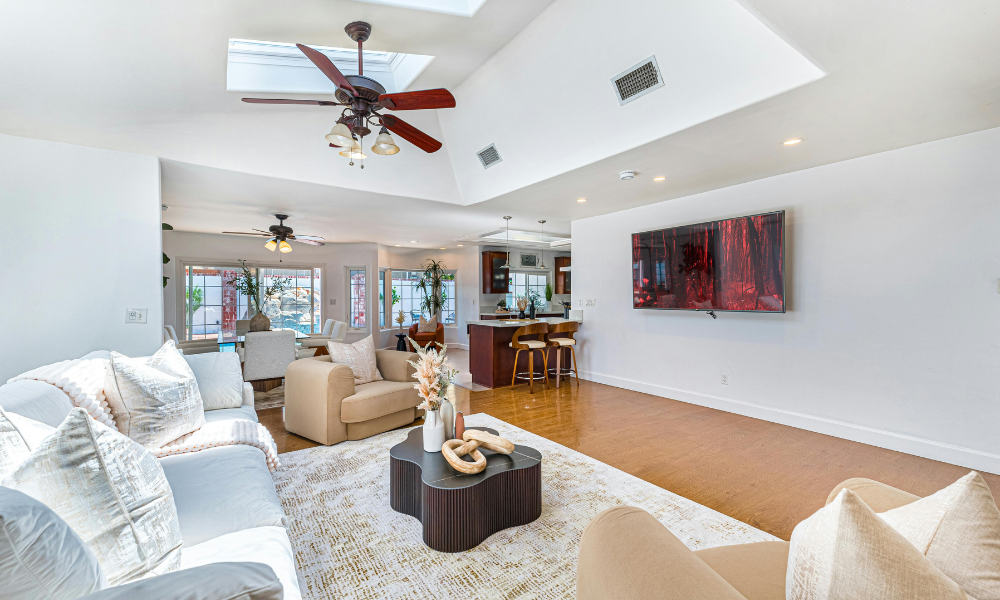
Designing your dream home is an exciting journey. From choosing the perfect color palette to selecting furniture that reflects your personality, every decision shapes your living experience. However, one crucial step that many homeowners overlook is proper planning before starting home interiors. Without a clear plan, even the most beautiful ideas can turn into costly mistakes, delays, and design inconsistencies.
Planning is the foundation of successful interior design. It ensures that your space is not only visually appealing but also functional, comfortable, and aligned with your lifestyle. Whether you are designing a new home or renovating an existing one, having a well-structured interior plan helps you achieve the best results within your budget and timeline.
Why Planning Matters in Home Interiors
1. Helps Define Your Vision Clearly
Before starting the work, planning allows you to identify your design style, preferences, and requirements. Do you love a modern minimalist look? Or do you prefer a traditional and cozy ambiance? A proper plan helps translate your ideas into a practical design concept.
When you skip this stage, you may end up mixing too many styles, which can make your interiors look cluttered and uncoordinated.
2. Proper Space Utilization
Every home has its own layout challenges. Planning ensures that every inch of your space is used efficiently.
With the right layout:
- Furniture placement becomes easier
- Storage solutions are optimized
- Movement within the house remains comfortable
This is especially important for compact homes where smart space planning makes a huge difference.
3. Budget Management
One of the biggest advantages of planning your home interiors in advance is cost control.
A detailed plan helps you:
- Estimate the total project cost
- Allocate budget for each area
- Avoid unnecessary expenses
- Prevent last-minute changes
Without planning, you may overspend on certain elements and compromise on others.
4. Avoids Design Mistakes
Imagine installing wardrobes and later realizing there is no space for proper door movement. Or completing electrical work before finalizing lighting design. These mistakes happen when there is no proper planning.
Planning helps you:
- Finalize layouts before execution
- Coordinate electrical and plumbing points
- Choose the right materials in advance
This reduces rework, saving both time and money.
5. Ensures Functional Design
A beautiful home is not just about aesthetics—it must also be functional.
Planning helps you consider:
- Daily lifestyle needs
- Storage requirements
- Lighting functionality
- Ventilation and comfort
For example, a modular kitchen should be planned based on the work triangle for maximum efficiency.
6. Material Selection Becomes Easier
From flooring and wall finishes to laminates and fabrics, there are endless options available. Planning allows you to:
- Compare materials
- Check durability
- Match colors and textures
- Stay within budget
This ensures a cohesive and long-lasting interior.
7. Better Timeline Management
Interior projects without planning often face delays. When you plan in advance:
- Work happens in a structured sequence
- Materials are ordered on time
- Labor is scheduled efficiently
This helps in completing the project on time.
Key Elements to Plan Before Starting Home Interiors
1. Layout and Space Planning
This is the first and most important step. It includes:
- Furniture layout
- Circulation space
- Zoning for each room
A well-planned layout ensures comfort and functionality.
2. Electrical and Lighting Plan
Lighting can completely transform your interiors. Planning helps determine:
- Ambient lighting
- Task lighting
- Accent lighting
- Switch and socket placements
This avoids visible wiring and poorly lit spaces.
3. Storage Planning
Modern homes require smart storage solutions. Planning helps you incorporate:
- Wardrobes
- Loft storage
- TV units
- Kitchen cabinets
- Hidden storage options
This keeps your home clutter-free.
4. Color Theme and Materials
Choosing colors and materials in advance ensures:
- Visual harmony
- Consistent design language
- Better finish
5. Furniture and Décor Selection
Planning helps you decide:
- Which furniture to customize
- Which pieces to buy ready-made
- Placement of décor elements
How Professional Interior Designers Help in Planning
Working with experienced interior designers makes the planning process smooth and efficient. They provide:
- 2D and 3D design layouts
- Material suggestions
- Budget estimation
- Execution timeline
- Customized solutions
Their expertise helps you avoid common mistakes and achieve a well-balanced design.
The Long-Term Benefits of Interior Planning
Proper planning is not just about immediate results—it also offers long-term advantages:
✔ Enhances property value
✔ Improves lifestyle comfort
✔ Reduces maintenance costs
✔ Creates a timeless design
A well-planned home remains functional and stylish for years.
Planning before starting home interiors is not an optional step—it is the key to a successful and stress-free design journey. It helps you make informed decisions, manage your budget, avoid costly errors, and achieve a home that perfectly reflects your personality and lifestyle.
A thoughtfully planned interior ensures that every element—from layout and lighting to furniture and décor—works together in harmony. So before you begin your home interior project, take the time to plan properly or consult professional interior designers who can turn your vision into reality.
FAQ
1. Why is planning important before starting home interiors?
Planning helps avoid costly mistakes, manage budget, utilize space efficiently, and ensure a functional and aesthetically pleasing design.
2. What should be planned first in home interiors?
The layout and space planning should be finalized first, followed by electrical points, lighting, storage, and material selection.
3. How does planning help in budget control?
It provides a clear cost estimate, helps prioritize expenses, and prevents overspending on unnecessary elements.
4. Can I start interiors without a design plan?
It is not recommended, as it can lead to design mismatches, delays, and increased costs due to rework.
5. How does space planning improve home interiors?
Space planning ensures proper furniture placement, comfortable movement, and maximum utilization of available area.
